This blog on Olympic general knowledge questions covers Olympic history, athletes, symbols, records, and trivia. It helps improve sports awareness, quiz skills, and overall general knowledge for students, exams, and competitive learning purposes.
The Olympic general knowledge questions help you explore the world of the Olympic Games, including its history, athletes, symbols, records, and exciting facts. This blog is designed to improve your sports awareness and quiz skills simply and engagingly. Whether you are a student or sports fan, these questions will boost your general knowledge and prepare you for exams and competitions.
History of the Olympic Games
The history of the Olympic Games is one of the most important topics in Olympic general knowledge questions. The ancient Olympics began in Greece around 776 BC and were held in Olympia. They were revived in 1896 in Athens as the modern Olympic Games. Since then, the event has grown into a global celebration of sports and unity. The modern Olympics include athletes from almost every country, competing in various sports. Over time, the games have evolved with new events, technologies, and global participation. Understanding this history helps answer many quiz questions and builds a strong foundation of Olympic knowledge. The Olympic Games today symbolize peace, friendship, and fair competition among nations.
Olympic Symbols and Rings
One of the most common topics in Olympic general knowledge questions is the Olympic symbols, especially the five rings. These rings represent the five continents: Africa, Asia, Europe, the Americas, and Oceania. The interlocking design symbolizes unity and friendship among nations. The Olympic flag also carries these rings on a white background. Another symbol is the Olympic flame, which represents purity and the spirit of competition. The torch relay is a famous tradition that begins in Greece and ends in the host country. These symbols are widely used in quizzes because they represent the core values of the Olympic movement. Knowing them helps you easily answer many general knowledge questions.
Famous Olympic Athletes
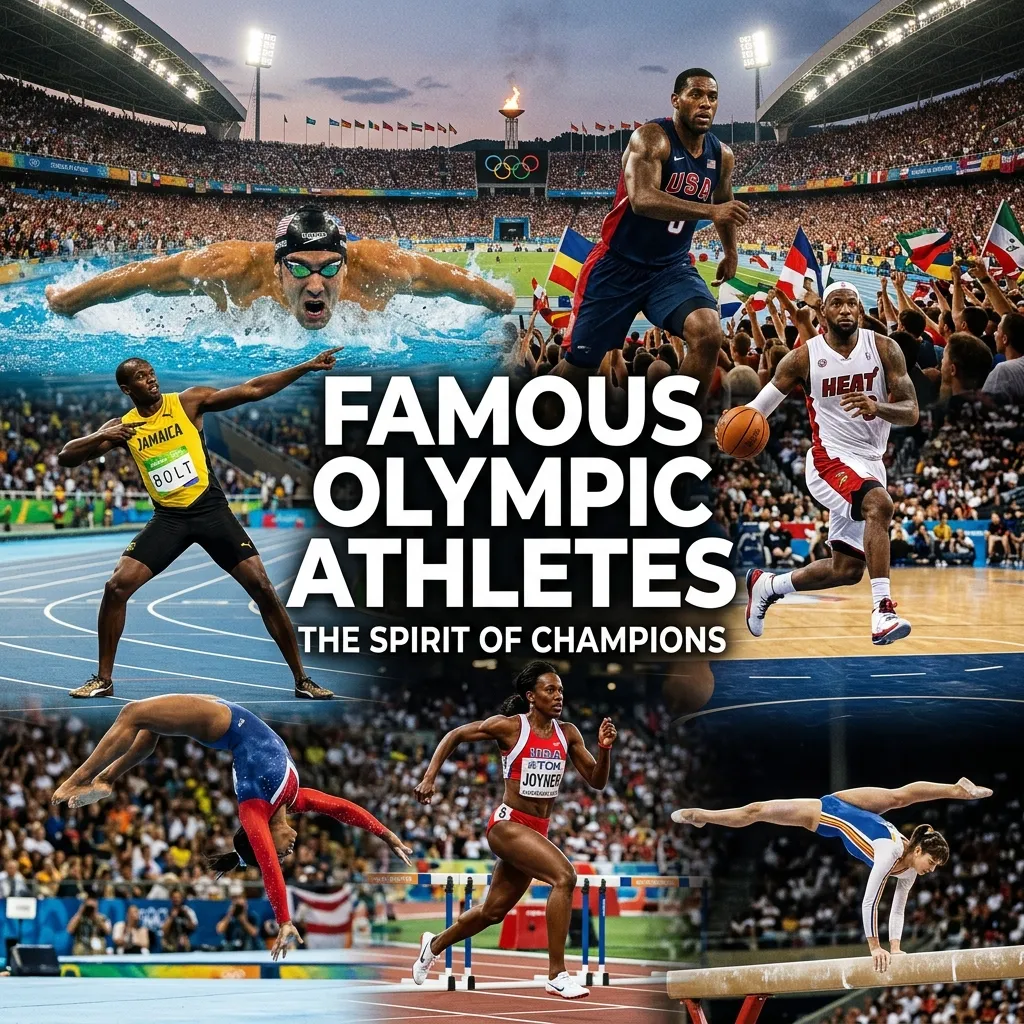 Famous athletes are a key part of Olympic general knowledge questions because they inspire millions around the world. Legends like Usain Bolt, Michael Phelps, and Carl Lewis have set incredible records in their sports. Usain Bolt is known as the fastest man in the world, while Michael Phelps has won the most Olympic medals in swimming history. These athletes represent dedication, hard work, and excellence. Many quiz questions are based on their achievements and records. The Olympics have also introduced new stars in recent years across different sports. Learning about these athletes helps you understand the human effort behind the games and makes quiz preparation more interesting and engaging.
Host Countries of the Olympics
The host countries are an important topic in Olympic general knowledge questions. The Olympic Games are held in different countries every four years, showcasing global diversity. Cities like London, Tokyo, Rio de Janeiro, and Paris have hosted the event. Each host country builds special stadiums and facilities to welcome athletes from around the world. Hosting the Olympics is considered a great honor and responsibility. It also boosts tourism, the economy, and international recognition. Many quiz questions ask about past and upcoming host cities. Understanding this topic helps you stay updated with global sports events and improves your overall general knowledge about international competitions.
Olympic Sports Categories
The Olympic Games include many sports categories, making this a key part of Olympic general knowledge questions. There are Summer Olympics and Winter Olympics, each with different sports. Summer sports include athletics, swimming, football, and gymnastics. Winter sports include skiing, ice hockey, and snowboarding. Over the years, new sports have been added to attract younger audiences. Each sport has its own rules, events, and medal system. The variety of sports makes the Olympics exciting and competitive. In quizzes, questions often focus on which sports belong to which category. Learning these details helps improve your sports knowledge and prepares you for competitive exams and trivia challenges.
Olympic Records and Achievements
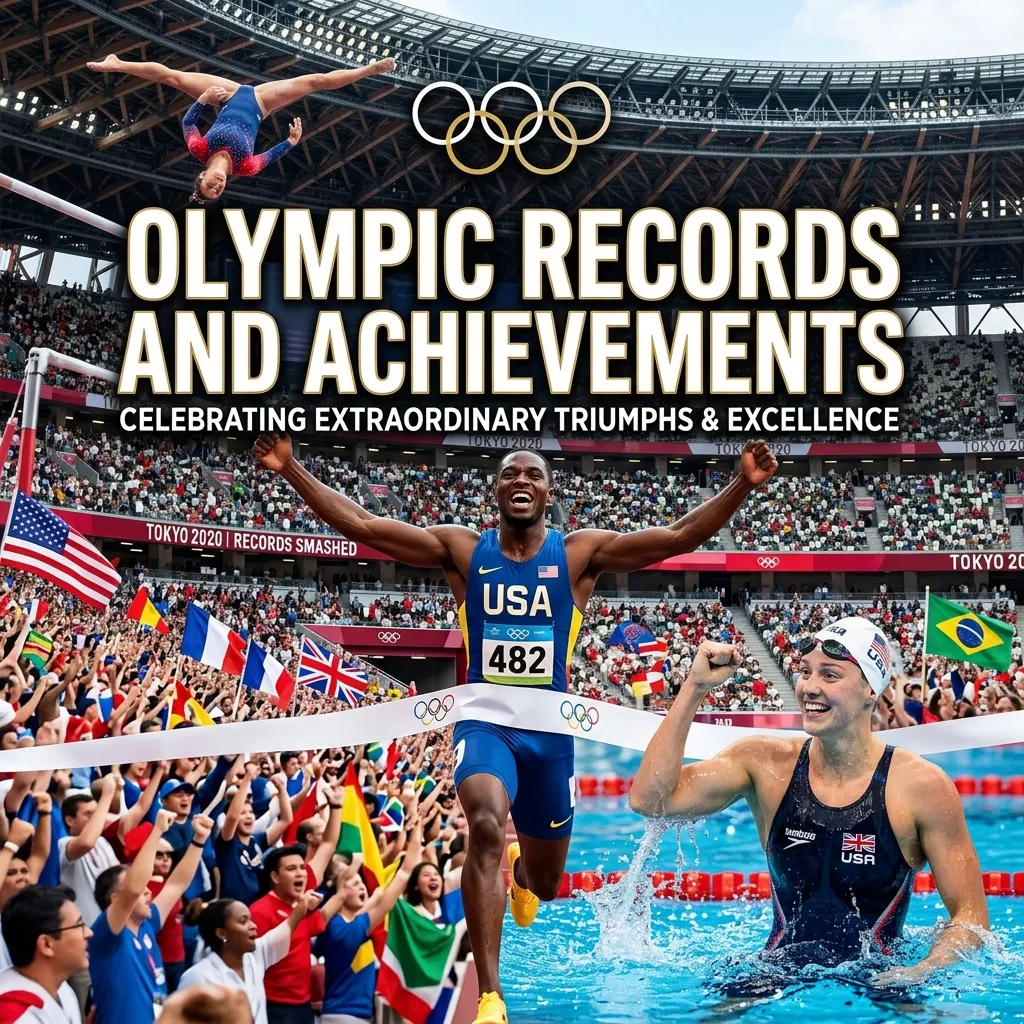 Records and achievements are a major focus in Olympic general knowledge questions. The Olympics have witnessed incredible performances, such as record-breaking sprint times and swimming victories. Athletes like Usain Bolt and Michael Phelps hold world records that are still unmatched. Countries like the United States and China often dominate the medal tally. Records are broken every Olympic season, making the games more exciting. Understanding these achievements helps in answering quiz questions related to medals, timings, and historical performances. These records also show the progress of sports science and training methods. Learning about Olympic achievements makes general knowledge stronger and more competitive for exams.
Winter vs Summer Olympics
The difference between the Winter and Summer Olympics is an important topic in Olympic general knowledge questions. The Summer Olympics include sports played in warm weather, such as athletics and basketball. The Winter Olympics include sports on snow and ice, such as skiing and skating. Both events are held every four years, but in different cycles. The Winter Olympics were first introduced in 1924 in France. Each version of the Olympics has its own set of athletes, records, and traditions. Quiz questions often ask about the differences between these two events. Understanding them helps you clearly distinguish sports categories and improves your overall Olympic knowledge.
Olympic Medal System Explained
The Olympic general knowledge questions often include topics about how medals are awarded in the Olympic Games. Understanding the medal system is important for quizzes and exams because it reflects how athletes are ranked based on performance. In every Olympic event, athletes compete for gold, silver, and bronze medals depending on their finishing positions. The medal tally also shows which country performed best overall. Gold represents first place, silver is second, and bronze is third. Countries are ranked by the number of gold medals first, then silver and bronze.
Key Points:
- Gold medal = 1st place
- Silver medal = 2nd place
- Bronze medal = 3rd place
- Medal tally ranks countries
- Awards are given in each event
| Medal Type | Position | Significance |
|---|---|---|
| Gold | 1st | Highest achievement |
| Silver | 2nd | Second place |
| Bronze | 3rd | Third place |
International Olympic Committee (IOC)
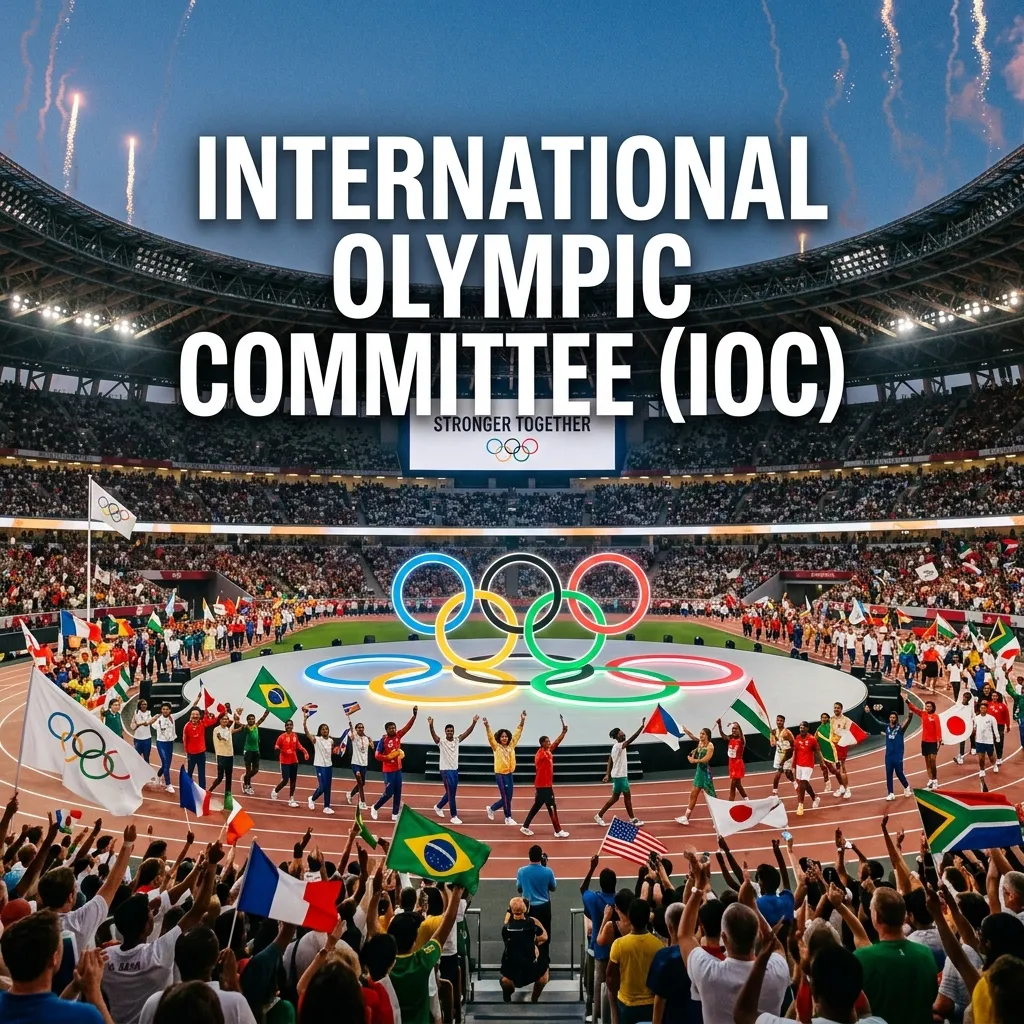 The International Olympic Committee (IOC) plays a key role in Olympic general knowledge questions. The IOC is responsible for organizing and managing the Olympic Games worldwide. It was founded in 1894 by Pierre de Coubertin. The committee selects host countries, approves sports, and ensures fair play among athletes. It is headquartered in Lausanne, Switzerland. The IOC also promotes Olympic values like peace, friendship, and equality. Many quiz questions are based on the IOC’s role and responsibilities. Understanding this organization helps you learn how the Olympics are managed globally. It is one of the most important governing bodies in international sports history.
Interesting Olympic Trivia
Interesting facts and trivia are a fun part of Olympic general knowledge questions. For example, the Olympic flame has been part of the games since 1928. Some countries have never missed participating in the Olympics since their debut. The youngest Olympic medalist was only 10 years old. The Olympic motto is “Faster, Higher, Stronger – Together.” These small but fascinating facts are often asked in quizzes. Trivia helps make learning more enjoyable and engaging. It also improves memory retention for students and sports enthusiasts. Knowing such details gives you an advantage in competitive exams and general knowledge tests.
Top Olympic Moments in History
The Olympic general knowledge questions also focus on unforgettable moments that shaped Olympic history. These moments include record-breaking performances, emotional victories, and historic achievements by athletes from around the world. From Jesse Owens’ dominance in 1936 to Usain Bolt’s incredible sprinting records, the Olympics have produced legendary memories. These events not only inspire sports fans but also appear frequently in quizzes and competitive exams.
Key Points:
- Jesse Owens won 4 gold medals in 1936
- Usain Bolt became the fastest man in history
- Nadia Comăneci scored the first perfect 10 in gymnastics
- Michael Phelps became the most decorated Olympian
- Tokyo 2020 introduced new sports like skateboarding
| Athlete/Event | Year | Achievement |
|---|---|---|
| Jesse Owens | 1936 | 4 Gold Medals |
| Nadia Comăneci | 1976 | First perfect 10 in gymnastics |
| Usain Bolt | 2008 | World record sprint performance |
| Michael Phelps | 2008 | 8 gold medals in one Olympics |
Tips to Solve Olympic Quiz Questions
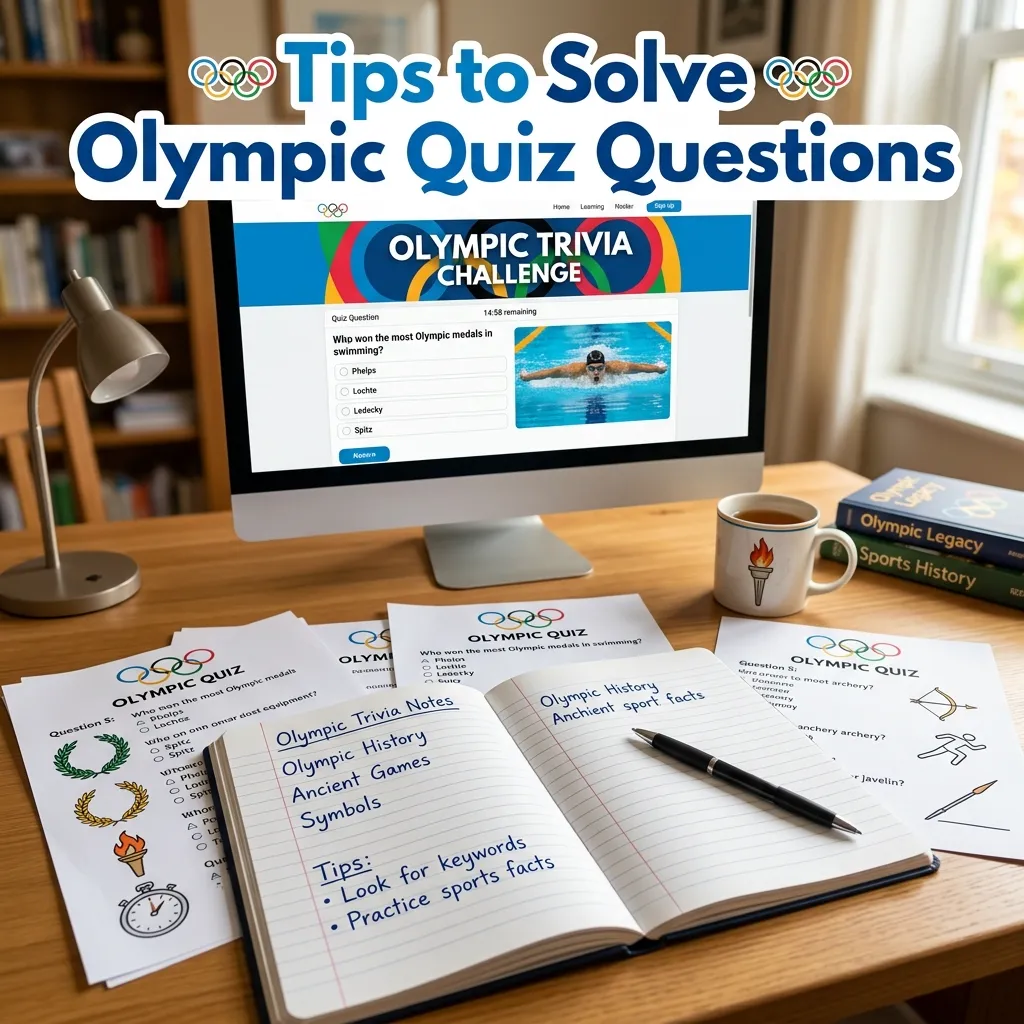 Solving Olympic general knowledge questions becomes easier with the right approach. First, focus on learning key facts like dates, athletes, and host cities. Second, practice quizzes regularly to improve memory. Third, watch Olympic highlights to understand sports better. Fourth, make short notes of important records and symbols. Finally, revise frequently to retain information. These simple strategies help improve accuracy and speed in answering questions. Many competitive exams include Olympic-related trivia, so preparation is important. By following these tips, you can easily master Olympic knowledge and perform well in quizzes and general knowledge tests.
Conclusion
The Olympic general knowledge questions covered in this article give you a complete understanding of the Olympic Games. From history and symbols to athletes and records, each section helps build strong sports knowledge. The Olympic Games are more than just competitions; they represent unity, peace, and global friendship. Learning about them improves your awareness and prepares you for quizzes, exams, and general discussions. Whether you are a student or a sports enthusiast, these questions will help you stay informed and confident. Keep practicing and exploring more facts about the Olympics to strengthen your knowledge even further.
Frequently Asked Questions
1: What are Olympic general knowledge questions?
Olympic general knowledge questions are quiz-based questions that test your knowledge about the Olympic Games, including history, athletes, symbols, records, and host countries. They are commonly used in exams, quizzes, and competitive tests to improve sports awareness and global knowledge.
2: Why are Olympic quizzes important?
Olympic quizzes are important because they improve sports awareness, memory, and general knowledge. They help students and quiz lovers learn about famous athletes, events, and Olympic history engagingly, making learning both fun and educational for competitive exams.
3: Who started the modern Olympic Games?
The modern Olympic Games were revived by Pierre de Coubertin in 1896 in Athens, Greece. He is known as the father of the modern Olympics. His vision was to promote peace, unity, and sportsmanship among nations through international sporting competition.
4: What do the Olympic rings represent?
The Olympic rings represent five continents: Africa, Asia, Europe, the Americas, and Oceania. The interlocking design symbolizes unity and friendship among nations. It is one of the most recognized symbols used in Olympic general knowledge questions worldwide.
5: Which country has won the most Olympic medals?
The United States has won the most Olympic medals in history, followed by countries like China and Russia. Their strong performance across multiple sports makes them frequently appear in Olympic general knowledge questions and international sports quizzes.
6: What is the Olympic motto?
The Olympic motto is “Faster, Higher, Stronger – Together.” It represents the spirit of improvement, teamwork, and unity in sports. This motto is often included in Olympic general knowledge questions because it reflects the core values of the Olympic movement.
7: What is the difference between the Summer and Winter Olympics?
The Summer Olympics include sports like athletics and swimming, while the Winter Olympics feature ice and snow sports such as skiing and skating. Both are held every four years and are important topics in Olympic general knowledge questions.
8: Who is the most successful Olympic athlete?
Michael Phelps is considered the most successful Olympic athlete, winning 23 gold medals in swimming. His achievements make him a common topic in Olympic general knowledge questions, especially in quizzes related to records and sporting excellence worldwide.
9: What is the Olympic torch relay?
The Olympic torch relay is a tradition where the Olympic flame is carried from Greece to the host city. It symbolizes peace and continuity. This event is frequently asked in Olympic general knowledge questions due to its historical importance.
10: How often are the Olympic Games held?
The Olympic Games are held every four years, alternating between Summer and Winter Olympics every two years. This cycle is an important fact in Olympic general knowledge questions and helps learners understand the structure of the global sporting event.