Sharing knowledge and experience builds strong relationships, supports personal and career growth, and encourages collaboration. It creates learning cultures in modern life, helping individuals and organizations achieve long-term success, innovation, and continuous improvement together.
In today’s fast-moving digital world, the ability to share knowledge and experience is essential for growth and success. It helps people learn faster, improve skills, and build stronger connections in personal and professional life. When individuals share knowledge and experience, they create opportunities for collaboration, innovation, and continuous improvement that benefit everyone and strengthen overall development in modern society.
In the modern digital era, the ability to share knowledge and experience is more valuable than ever. It helps individuals stay connected, updated, and competitive in their fields. When people actively share knowledge and experience, they contribute to a strong culture of learning and continuous improvement. This exchange of ideas allows professionals and learners to grow faster while avoiding repeated mistakes. It also builds trust, teamwork, and better communication in workplaces. In personal life, it improves understanding and strengthens relationships. Overall, when people share knowledge and experience, they create a positive environment where everyone benefits from collective wisdom, innovation, and continuous learning opportunities that support both personal and professional development in a meaningful way.
Building Strong Relationships Through Knowledge Sharing
One of the greatest benefits of share knowledge and experience is building strong and meaningful relationships. When individuals openly share knowledge and experience, it creates trust, respect, and emotional connection. People feel valued when their thoughts and ideas are heard, which strengthens communication. In workplaces, this improves teamwork and collaboration, making tasks easier and more efficient. In communities, it promotes unity and mutual support. Sharing also reduces confusion and misunderstandings between individuals. As relationships grow stronger through this process, people become more supportive of each other’s goals and challenges. This creates a healthy environment where cooperation, positivity, and shared success become the foundation of every interaction, leading to long-term personal and professional bonding.
Enhancing Personal Growth and Development
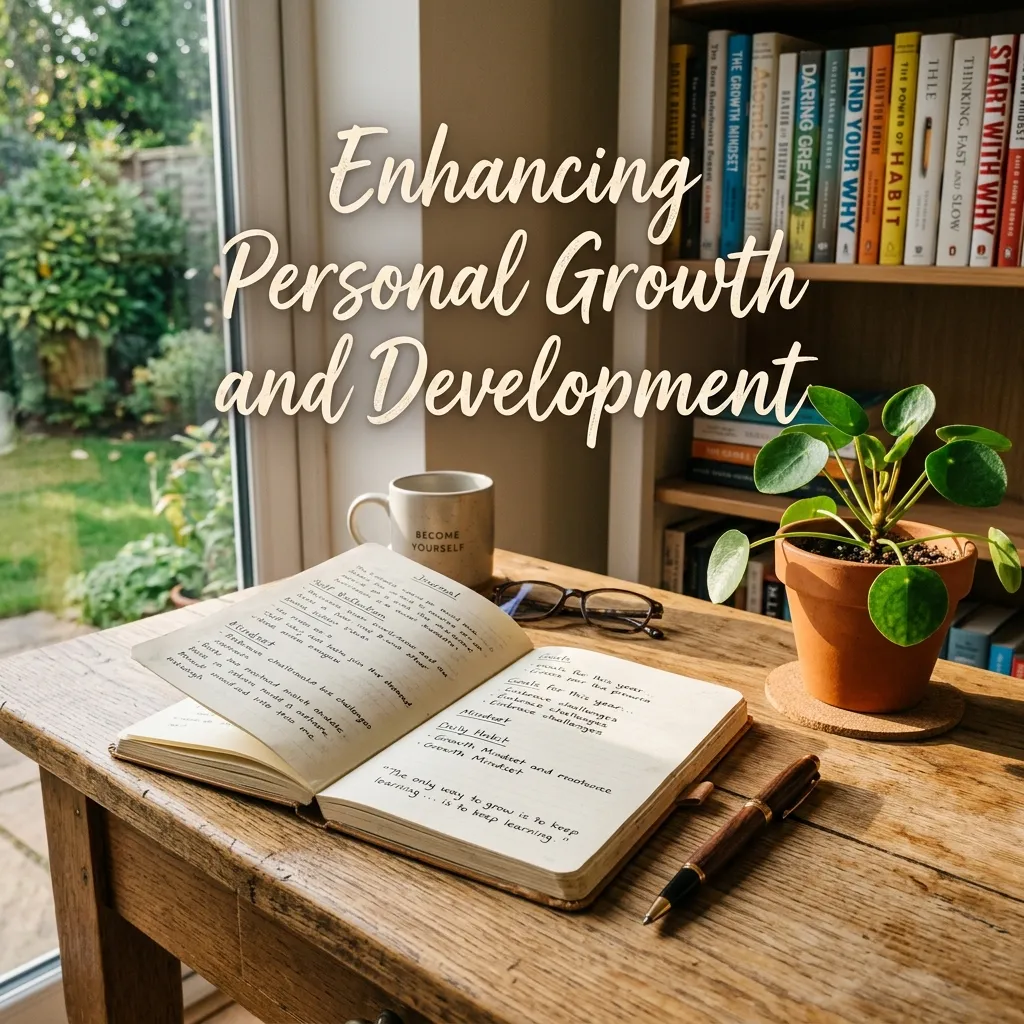 Personal growth is closely connected to the habit to share knowledge and experience. When individuals share knowledge and experience, they also reflect on their own learning journey, which improves self-awareness and emotional intelligence. At the same time, learning from others helps expand perspective and strengthens critical thinking skills. People who regularly practice this habit often become more confident in communication and decision-making. It also helps them clearly identify their strengths and weaknesses. By exchanging experiences, individuals gain a deeper understanding and practical insights that support continuous improvement. This ongoing learning process plays a key role in shaping a balanced personality. Ultimately, sharing knowledge becomes a powerful tool for self-development, personal maturity, and long-term success in life.
Role of Knowledge Sharing in Career Success
In professional life, share knowledge and experience plays a vital role in achieving career success. Employees who actively share knowledge and experience are often recognized as valuable and reliable team members. They contribute to problem-solving, innovation, and better decision-making within organizations. Employers appreciate individuals who guide others and support teamwork through their experience. This behavior not only improves productivity but also opens doors to promotions and leadership opportunities. In competitive industries, knowledge sharing helps professionals stay ahead by learning new skills faster. It also builds a strong professional reputation based on trust and expertise. Over time, this practice leads to long-term career stability, growth, and recognition in any field or industry.
Creating a Culture of Collaboration
A strong culture of collaboration develops when people consistently share knowledge and experience. In such environments, individuals feel free to express ideas without fear of judgment. This openness leads to creativity, innovation, and better solutions for complex problems. Teams that regularly share knowledge and experience work more efficiently and complete tasks faster with fewer mistakes. Collaboration also reduces duplication of effort and improves workflow management. Organizations that promote this culture often experience higher employee satisfaction and stronger retention rates. It also builds trust among team members and encourages mutual respect. As a result, everyone works toward shared goals, creating a positive and productive environment where success is achieved collectively rather than individually.
Digital Platforms and Knowledge Sharing
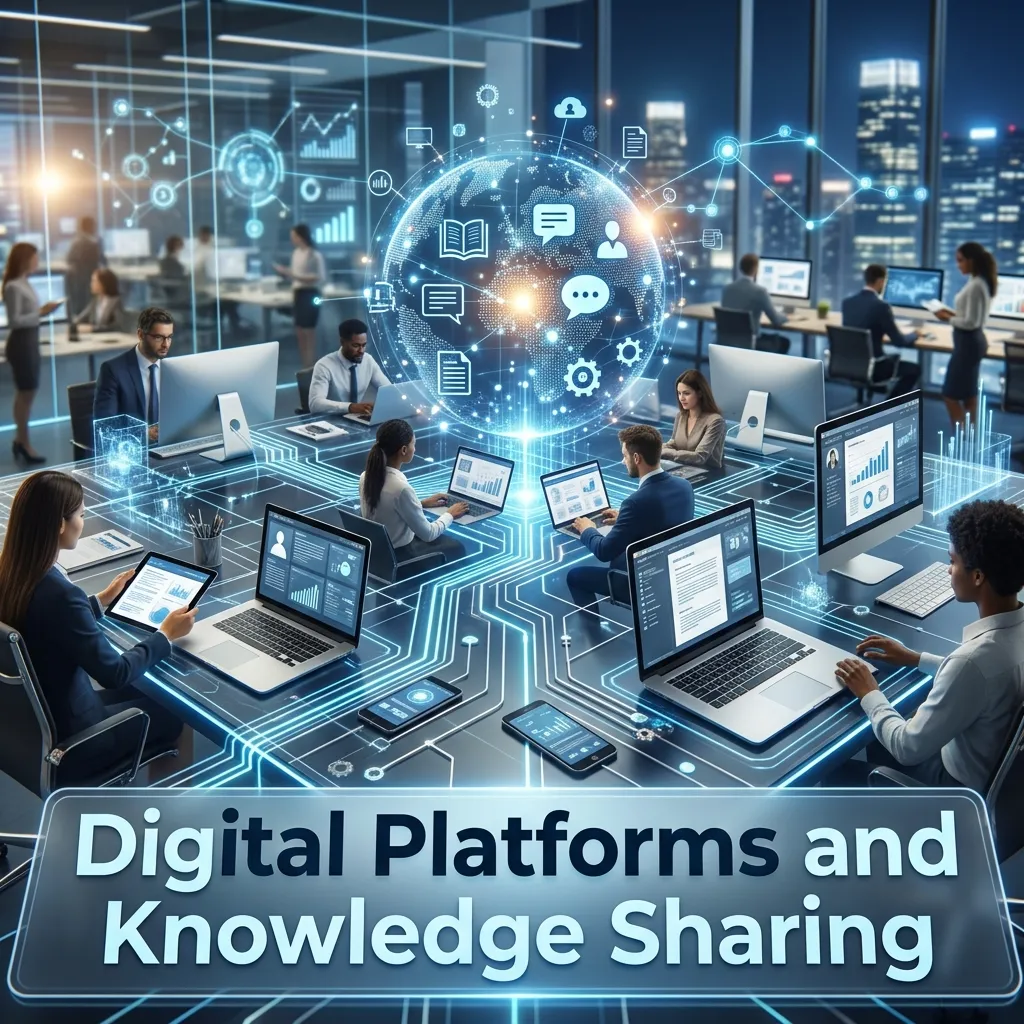 With the advancement of technology, share knowledge and experience has become easier and more powerful than ever. Digital platforms such as blogs, social media, and online communities allow people to share knowledge and experience with a global audience. This connects individuals from different countries, cultures, and professional backgrounds. Online learning platforms also make education more accessible and flexible for everyone. Professionals can now share expertise through webinars, videos, and interactive discussions. This digital transformation has made information widely available and easy to access anytime. It helps people learn new skills quickly and stay updated with global trends. As a result, knowledge sharing has become faster, more inclusive, and more impactful in today’s connected world.
Practical Ways to Share Knowledge and Experience Effectively
Sharing knowledge and experience becomes truly powerful when it is done in a practical and structured way. In daily life and professional environments, people can use simple methods to make their knowledge more useful for others. When individuals actively share knowledge and experience, it not only helps others grow but also strengthens their own understanding. Teaching, mentoring, writing, and open communication are some of the most effective ways to do this. The goal is to make information easy to understand and apply in real situations. Consistency and willingness to help others are the key factors that make knowledge sharing meaningful and impactful in the long run.
Key Ways to Share Knowledge and Experience:
- Mentoring juniors or new learners
- Writing blogs or articles
- Conducting training sessions or workshops
- Participating in group discussions
- Using digital platforms for learning and sharing
| Method | Benefit |
|---|---|
| Mentoring | Builds leadership and trust |
| Blogging | Reaches a wider audience |
| Workshops | Improves practical understanding |
| Group Discussions | Encourages teamwork and idea exchange |
| Online Platforms | Enables global learning connection |
Overcoming Barriers to Sharing Knowledge
Despite its importance, there are several challenges in share knowledge and experience. Some people hesitate due to fear of criticism, lack of confidence, or thinking their knowledge is not valuable. These barriers prevent effective communication and learning. However, overcoming these challenges is essential for personal and professional growth. Creating a safe and supportive environment encourages individuals to share freely. Training, encouragement, and positive feedback also help build confidence. When people understand the real value of share knowledge and experience, they become more willing to contribute. This leads to better teamwork, stronger relationships, and improved learning outcomes. Breaking these barriers helps create a more open, supportive, and productive environment for everyone involved.
Leadership and Knowledge Sharing
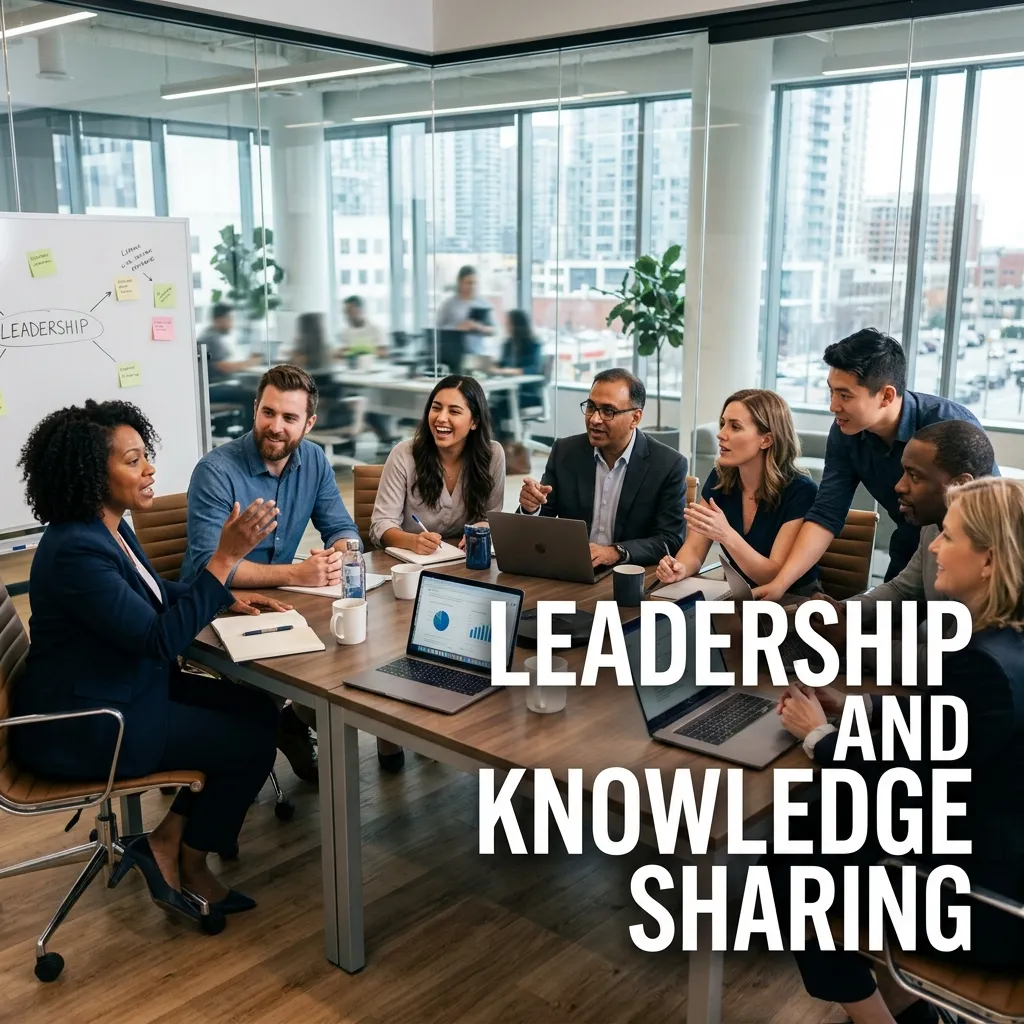 Effective leadership is deeply connected to the habit of share knowledge and experience. Leaders who actively share knowledge and experience inspire trust, respect, and motivation among their team members. They guide others using their experience and help them grow both personally and professionally. This leadership approach encourages open communication and creative thinking within organizations. It also improves employee engagement and job satisfaction. When leaders promote knowledge sharing, they create a culture where learning never stops. Team members feel supported and valued, which boosts confidence and productivity. Ultimately, leaders who prioritize knowledge sharing build stronger, more united teams that achieve better results and long-term organizational success through collaboration and continuous improvement.
Impact of Sharing Knowledge and Experience on Society
Sharing knowledge and experience has a powerful impact on society as a whole. It helps create an informed, educated, and supportive community where people learn from each other’s experiences. When individuals actively share knowledge and experience, it reduces inequality in access to information and encourages equal growth opportunities. This process also supports innovation, social development, and problem-solving at a larger scale. Communities become stronger when people work together and share useful insights. Education, healthcare, business, and technology all benefit from this culture of openness. Ultimately, knowledge sharing helps build a smarter and more connected society where progress is achieved collectively.
Key Social Impacts:
- Reduces knowledge gaps in society
- Promotes equal learning opportunities
- Encourages innovation and creativity
- Strengthens community development
- Improves problem-solving at the social level
| Social Area | Positive Impact from Knowledge Sharing |
|---|---|
| Education | Better learning and skill development |
| Healthcare | Improved awareness and patient care |
| Business | Innovation and economic growth |
| Technology | Faster development and global connectivity |
| Community | Stronger unity and cooperation |
Future of Knowledge Sharing in a Global World
The future of sharing knowledge and experience is very promising in a globally connected world. As technology continues to advance, knowledge sharing will become more interactive, instant, and accessible. Artificial intelligence, virtual classrooms, and global networks will make it easier for people to share knowledge and experience across borders. This will create a more informed and connected global society. Future generations will benefit from instant access to information and expert guidance from around the world. It will also encourage lifelong learning and skill development at every stage of life. Ultimately, the future shows that sharing knowledge will remain a key driver of global progress, innovation, and human development.
Conclusion
In conclusion, the practice of sharing knowledge and experience is one of the most powerful tools for success in life. It helps build strong relationships, improves personal growth, and enhances career opportunities. When individuals and organizations actively share knowledge and experience, they create a culture of learning, collaboration, and continuous improvement. This not only benefits individuals but also strengthens communities and workplaces. By adopting this habit consistently, people can unlock greater opportunities and long-term success. Ultimately, sharing knowledge is not just about giving information—it is about creating value, inspiring others, and building a better future for everyone.
Frequently Asked Questions
1. Why is sharing knowledge and experience important?
Sharing knowledge and experience is important because it helps people learn faster, avoid mistakes, and grow together. It builds trust, improves teamwork, and creates a positive learning environment in both personal and professional life for better long-term success.
2. How does sharing knowledge and experience help career growth?
Sharing knowledge and experience improves career growth by building strong professional skills and a reputation. It increases teamwork, leadership opportunities, and problem-solving abilities. Employers value individuals who support others and contribute to workplace learning and continuous improvement.
3. Can sharing knowledge and experience improve relationships?
Yes, sharing knowledge and experience strengthens relationships by building trust, respect, and understanding. It encourages open communication and reduces misunderstandings. People feel valued when their ideas are heard, which leads to stronger personal and professional connections.
4. What are the benefits of sharing knowledge in the workplace?
In the workplace, sharing knowledge and experience improves productivity, teamwork, and innovation. It helps employees learn from each other, complete tasks efficiently, and solve problems faster. It also creates a supportive and collaborative working environment.
5. How does knowledge sharing support personal development?
Sharing knowledge and experience supports personal development by improving self-awareness, confidence, and communication skills. It allows individuals to learn from others and reflect on their own experiences, helping them grow into more skilled and balanced individuals.
6. What role does technology play in sharing knowledge?
Technology makes sharing knowledge and experience easier through online platforms, social media, and learning tools. It connects people globally, allowing them to exchange ideas, learn new skills, and access information anytime, improving education and communication.
7. What are common barriers to sharing knowledge?
Common barriers include fear of criticism, lack of confidence, and unwillingness to share ideas. Some people think their knowledge is not valuable. Overcoming these barriers helps improve communication, teamwork, and overall learning culture.
8. How can leaders encourage knowledge sharing?
Leaders can encourage sharing knowledge and experience by creating a supportive environment, promoting teamwork, and rewarding collaboration. They should lead by example, communicate openly, and motivate employees to share ideas and learn from each other.
9. Does sharing knowledge improve teamwork?
Yes, sharing knowledge and experience greatly improves teamwork. It helps team members understand each other better, complete tasks efficiently, and solve problems together. It also builds trust and creates a more cooperative and productive work environment.
10. What is the future of knowledge sharing?
The future of sharing knowledge and experience is highly advanced with digital tools and AI. It will become faster, more global, and more interactive, helping people learn continuously and connect with others worldwide for growth and innovation.