
A knowledge management system improves communication, collaboration, and efficiency by organizing information in one place. It helps teams access data quickly, reduce errors, enhance productivity, and support better decision-making and continuous organizational growth.
A knowledge management system is an essential digital solution for modern organizations that want to improve collaboration, communication, and productivity. It helps teams store, organize, and share important information in a centralized and easy-to-access platform. By reducing information gaps and eliminating repetitive tasks, it enables employees to work more efficiently. This system also supports better decision-making, continuous learning, and long-term knowledge retention, making workplaces more connected, informed, and productive overall.
What is a Knowledge Sharing Tool
A knowledge management platform is a digital system designed to collect, organize, and distribute information within an organization in a structured way. It acts as a centralized hub where employees can upload documents, share ideas, and access important resources whenever needed. Instead of depending on scattered emails, chats, or informal communication, this system provides a searchable and well-organized repository that improves efficiency. It ensures that valuable information is not lost and remains accessible for future use. This helps teams stay aligned, make faster decisions, and reduce confusion. Overall, it creates a more connected, productive, and informed work environment that supports long-term collaboration and knowledge retention.
Importance of Knowledge Sharing Tool in the Workplace
 A knowledge management system is highly important in the workplace because it improves communication and reduces information gaps between teams. In many organizations, critical knowledge is often stored in individual minds or scattered across different platforms, which slows down workflows. This system solves that problem by making all information easily accessible in one place. Employees can quickly find answers instead of repeatedly asking colleagues, saving time and effort. It also ensures that everyone works with updated and accurate data, improving coordination. By encouraging shared learning and transparency, it boosts productivity, reduces misunderstandings, and helps build a stronger, more collaborative workplace culture.
Key Features of a Knowledge Sharing Tool
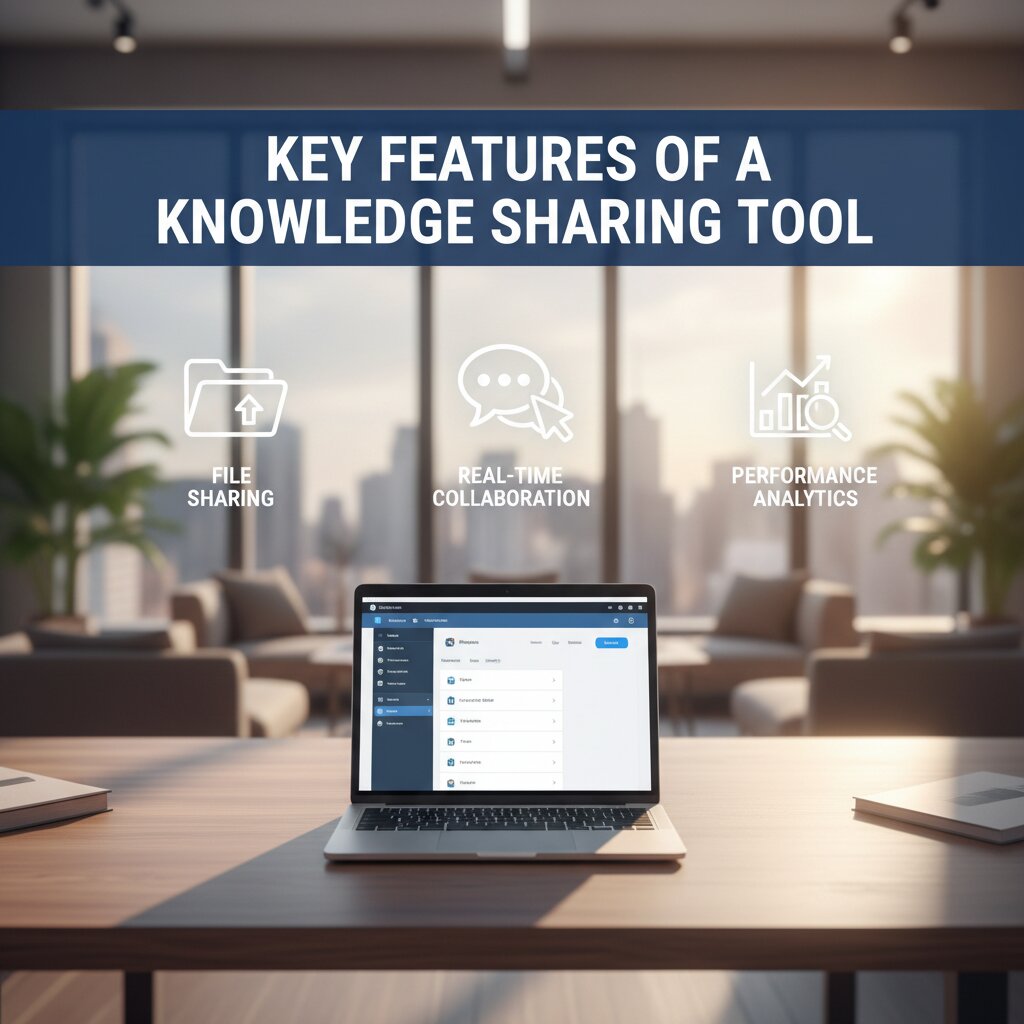
A modern knowledge management system comes with powerful features that simplify information management and enhance teamwork. It offers centralized storage where all documents, guides, and resources are securely stored in one place. Advanced search functionality helps users quickly find relevant information without wasting time. Real-time collaboration allows multiple users to edit and update content simultaneously, improving teamwork efficiency. Version control tracks changes and ensures previous versions can be restored when needed. Integration with other business tools streamlines workflows and improves productivity. Strong security features such as encryption and access control protect sensitive data. These features make it highly effective for managing organizational knowledge.
Benefits of Using a Knowledge Sharing Tool
Using a knowledge management system offers many benefits for organizations of all sizes. It improves productivity by reducing the time employees spend searching for information and allows them to focus on important tasks. It enhances teamwork by promoting open communication and knowledge exchange across departments. The system ensures consistency in workflows by providing everyone with the same accurate information. It also supports employee learning and development by offering easy access to training materials and resources. Over time, it helps build a more skilled and informed workforce. Ultimately, it improves efficiency, reduces errors, and helps businesses achieve better performance and sustainable growth.
Use Cases of the Knowledge Sharing Tool
 A knowledge management system is used across various industries to improve communication and efficiency. In corporate environments, it helps teams share reports, policies, and project updates in an organized way. In customer support, it provides quick access to FAQs and troubleshooting guides, improving response time and customer satisfaction. In education, it helps teachers and students organize learning materials and collaborate effectively. In IT and software development, it is used for documentation, coding knowledge, and problem-solving. In healthcare, professionals use it to share medical guidelines and research updates. Across all industries, it ensures smooth information flow and better decision-making at every level.
How to Choose the Right Knowledge Sharing Tool
Choosing the right knowledge management system requires careful evaluation of several key factors. First, it should be easy to use so employees can adopt it quickly without extensive training. Scalability is also important, ensuring the system can grow with the organization’s needs. Integration with existing systems, like communication and project management tools, helps create a smooth workflow. Strong security features are essential to protect sensitive business data. Customization options allow companies to adapt the system to their specific processes. A well-chosen solution improves adoption, increases productivity, and ensures long-term efficiency in managing and sharing organizational knowledge effectively.
Integration Capabilities of Knowledge Sharing Systems
Modern knowledge management systems work best when they integrate smoothly with other business tools and platforms. This connectivity helps organizations build a unified digital workspace where information flows without interruption. When integrated properly, employees can access documents, updates, and discussions without switching between multiple applications. This improves productivity and reduces time wasted on manual processes. Integration also supports real-time collaboration, ensuring that teams always work with the latest information. Many systems now offer API support, making it easier to connect with existing software like CRMs, communication tools, and project management platforms. Overall, integration enhances efficiency, teamwork, and overall workflow automation across the organization.
Key Integration Points:
- Communication tools (chat and email platforms)
- Cloud storage systems
- Project management software
- CRM and business applications
- API-based custom integrations
| Integration Type | Benefit | Impact on Workflow |
|---|---|---|
| Communication Tools | Faster team collaboration | Reduces delays in updates |
| Cloud Storage | Easy file access anytime | Improves data availability |
| Project Management | Centralized task tracking | Enhances productivity |
| CRM Systems | Better customer information sharing | Improves decision-making |
| API Integrations | Custom workflow automation | Increases operational efficiency |
Integration Capabilities of the Knowledge Sharing Tool
 A strong Knowledge Sharing Tool should integrate seamlessly with other business systems to create a connected and efficient digital workspace. It can link with communication platforms, cloud storage, and project management tools to streamline daily operations. This allows employees to access and share information without switching between multiple applications. Real-time updates across systems improve collaboration and reduce delays in workflows. Many Knowledge Sharing Tool solutions also offer Application Programming Interface(API) support, enabling businesses to create custom integrations based on their unique needs. With proper integration, organizations can automate processes, reduce manual work, and ensure smooth and efficient information flow across all departments.
Best Practices for Using the Knowledge Sharing Tool
To get the most value from a knowledge management system, organizations should follow structured best practices. Employees should be encouraged to contribute regularly so information stays updated, accurate, and relevant. Proper tagging and categorization help users quickly find the right data without wasting time searching. Assigning ownership of content improves accountability and ensures quality control. Regular audits are also important to remove outdated or unnecessary files. Providing proper training helps employees use the system effectively and increases adoption rates. In addition, building a culture of collaboration and continuous learning strengthens information flow across teams. These combined practices ensure better organization, higher productivity, and long-term operational success.
Best Practices for Implementing Knowledge Sharing Systems
To maximize the effectiveness of a knowledge management system, organizations must follow structured implementation practices. A well-planned approach ensures higher adoption rates and long-term success. Employees should be actively encouraged to contribute content regularly so the system stays updated and relevant. Clear guidelines should be established for organizing and categorizing information, making it easier to search. Assigning responsibility for content management helps maintain accuracy and quality. Regular audits ensure outdated or duplicate information is removed. Proper training is also essential so employees understand how to use the system effectively. A strong knowledge-sharing culture further enhances collaboration and continuous improvement across teams.
Best Practices List:
- Encourage regular content contributions
- Maintain clear tagging and categorization
- Assign content ownership and responsibility
- Conduct periodic content audits
- Provide employee training and onboarding
| Practice | Purpose | Outcome |
|---|---|---|
| Regular Updates | Keep information accurate | Improved reliability |
| Content Tagging | Organize information properly | Faster search and access |
| Ownership Assignment | Ensure accountability | Higher content quality |
| Training Programs | Improve user understanding | Better adoption rates |
| Content Audits | Remove outdated data | Cleaner knowledge base |
Future Trends of Knowledge Sharing Tool
 The future of knowledge management systems is strongly influenced by artificial intelligence and automation technologies. AI-powered search will allow users to quickly find accurate information with minimal effort. Machine learning will improve how content is organized by analyzing user behavior and preferences. Voice-based search and chatbot-style interfaces will make systems more user-friendly and accessible for all employees. Integration with remote and hybrid work environments will also become more advanced, supporting seamless collaboration across locations. As digital transformation continues to grow, these platforms will become smarter, more automated, and highly personalized. These innovations will significantly improve efficiency, speed, and accuracy in managing organizational knowledge.
Conclusion
A modern knowledge management system is essential for improving communication, collaboration, and overall workplace efficiency. It helps organizations store and organize important information in a structured way, making it easily accessible to employees whenever needed. By reducing information gaps and encouraging teamwork, businesses can make faster and more accurate decisions. It also supports continuous learning and helps retain valuable organizational knowledge over time. As technology advances, these systems will become more intelligent, automated, and user-friendly. This evolution will make information management more efficient and will support long-term business growth, productivity, and success in an increasingly digital work environment.
Frequently Asked Questions
1: What is a Knowledge Sharing Tool?
A Knowledge Sharing Tool is a digital marketing tool that helps organizations store, organize, and share information efficiently. It allows employees to access documents, ideas, and resources in one place, improving communication, collaboration, and overall workplace productivity across teams.
2: Why is a Knowledge Sharing Tool important?
A Knowledge Sharing Tool is important because it reduces communication gaps, saves time, and ensures everyone has access to the same updated information. It improves teamwork, reduces confusion, and helps organizations maintain consistent knowledge flow across departments for better productivity.
3: How does a Knowledge Sharing Tool improve productivity?
A Knowledge Sharing Tool improves productivity by providing quick access to important information, reducing the time spent searching for data. Employees can focus on tasks instead of repeated questions, leading to faster decision-making, smoother workflows, and improved overall efficiency in daily operations.
4: What features should a Knowledge Sharing Tool have?
A good Knowledge Sharing Tool should include centralized storage, advanced search, real-time collaboration, version control, integration options, and strong security. These features ensure smooth information sharing, better organization, and safe access to important business knowledge across teams and departments.
5: Who can use a Knowledge Sharing Tool?
A Knowledge Sharing Tool can be used by businesses, educational institutions, IT companies, healthcare organizations, and customer support teams. It is suitable for any group that needs to organize, share, and manage information efficiently for better communication and teamwork.
6: Is a Knowledge Sharing Tool easy to use?
Yes, most modern Knowledge Sharing Tools are designed to be user-friendly. They offer simple navigation, search functions, and easy content uploading. Even non-technical users can quickly learn and use the system without extensive training or technical knowledge.
7: Can a Knowledge Sharing Tool improve teamwork?
A Knowledge Sharing Tool greatly improves teamwork by ensuring all members have access to the same information. It encourages collaboration, reduces misunderstandings, and allows teams to work together more effectively on shared projects and goals in real time.
8: Is a Knowledge Sharing Tool secure?
Yes, most Knowledge Sharing Tools come with strong security features such as encryption, access control, and user permissions. These ensure that sensitive business information is protected while still allowing authorized users to access necessary data safely and efficiently.
9: How do I choose the best Knowledge Sharing Tool?
To choose the best Knowledge Sharing Tool, consider ease of use, scalability, integration options, security, and customization. The right tool should match your organization’s needs, improve workflow efficiency, and support long-term knowledge management and collaboration goals.
10: What is the future of Knowledge Sharing Tools?
The future of Knowledge Sharing Tools includes AI-powered search, automation, and smarter content organization. These tools will become more personalized and efficient, helping organizations access information faster and improving collaboration in remote and hybrid work environments worldwide.