Digital Transformation and Knowledge Economy
Digital transformation is a key driver of the knowledge based economy, changing how businesses operate and deliver value. Organizations are shifting from traditional systems to digital platforms powered by data, cloud computing, and automation. This transformation enables faster decision-making, improved efficiency, and better customer experiences. In a knowledge based economy, digital tools allow companies to collect and analyze information more effectively than ever before. Businesses that adopt digital transformation can innovate quickly and stay competitive in global markets. Technologies such as artificial intelligence and online platforms are fueling economic growth. It also supports remote work and global collaboration, making knowledge more accessible across industries and borders worldwide.
Role of Education and Skills
Education is a foundation of the knowledge based economy, as modern industries rely heavily on skilled and adaptable workers. Critical thinking, creativity, and problem-solving abilities are essential for success in today’s economy. Traditional education systems are evolving by including digital literacy, innovation, and lifelong learning. In a knowledge based economy, continuous skill development is necessary because industries and technologies change rapidly. Universities, online platforms, and training centers help individuals remain competitive in the job market. Countries that invest in education experience higher productivity and innovation. Ultimately, human capital becomes the strongest driver of growth in a knowledge based economy and determines long-term national success.
Technology and Innovation
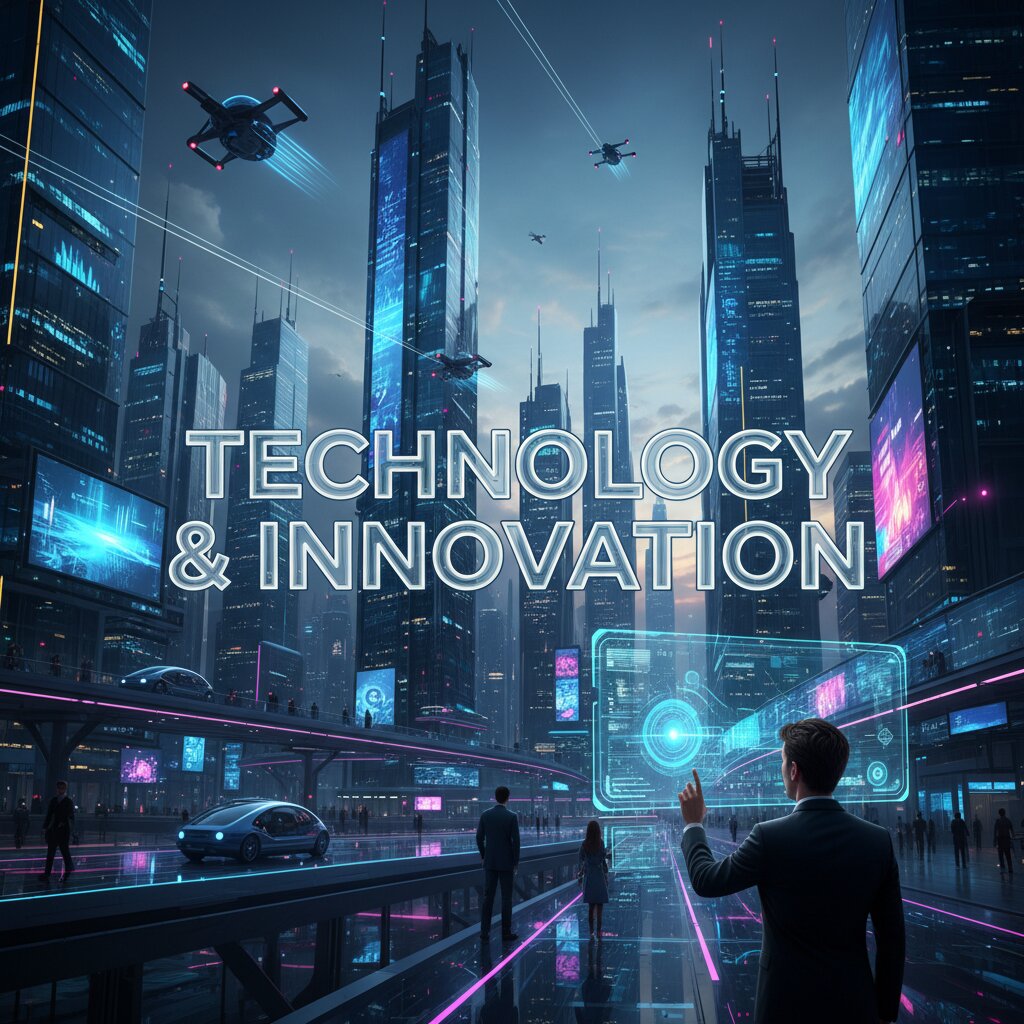 Technology and innovation form the backbone of the knowledge-based economy, driving progress across all industries. Advances in artificial intelligence, big data, and automation allow organizations to process information faster and make smarter decisions. In a knowledge based economy, innovation is not limited to technology firms; it also spreads to healthcare, education, finance, and manufacturing. Companies invest in research and development to create better products and services. This encourages competition and improves efficiency across markets. As technology evolves, the demand for digital skills and creative thinking continues to grow. Innovation ensures long-term economic development and strengthens global competitiveness in an increasingly connected world.
Business Models Shift
The knowledge based economy has transformed traditional business models by shifting focus from physical goods to information and services. Companies now rely on digital platforms, subscription services, and e-commerce systems to deliver value. Data-driven strategies help businesses understand customer needs and improve decision-making. In a knowledge based economy, intellectual property, branding, and innovation often generate more value than physical production. Organizations also collaborate globally using cloud-based tools and outsourcing systems, increasing flexibility and efficiency. Businesses must constantly adapt to remain competitive in a fast-changing digital environment. This shift encourages scalability and innovation, allowing companies to grow faster in global markets.
Job Market Evolution
The job market is rapidly changing under the influence of the knowledge based economy. Many traditional jobs are being replaced by automation, while new opportunities are emerging in fields like data science, cybersecurity, and digital marketing. Employers now prioritize skills such as critical thinking, creativity, and technical knowledge. In a knowledge based economy, lifelong learning is essential for career development, as industries evolve quickly. Remote work and freelancing have expanded global job opportunities for professionals. Automation reduces repetitive tasks but increases demand for complex, knowledge-driven roles. Workers must continuously upgrade their skills to stay relevant in a competitive and technology-driven employment landscape.
Globalization and Competition
 Globalization plays a major role in the knowledge based economy, allowing information and resources to flow freely across borders. Businesses now compete globally rather than locally, using digital platforms to reach international markets. In a knowledge based economy, success depends on innovation, efficiency, and knowledge sharing. Countries that invest in education and technology attract foreign investment and skilled professionals. However, globalization also increases competition, pushing organizations to continuously improve their performance. Collaboration between countries, universities, and industries helps spread innovation worldwide. This interconnected system accelerates economic growth and creates opportunities for businesses and individuals in a highly competitive global environment.
Impact of Knowledge-Based Economy on Society
Key Points:
- Improves access to education and information
- Enhances digital communication and connectivity
- Creates new opportunities for social mobility
- Encourages innovation in communities
- May increase digital inequality if access is limited
| Area | Positive Impact | Challenge |
|---|---|---|
| Education | Wider access to online learning | Digital divide |
| Communication | Faster global connectivity | Information overload |
| Employment | New skill-based jobs | Job displacement |
| Society | Innovation and awareness growth | Inequality in access |
Data as New Capital
In the knowledge based economy, data has become one of the most valuable economic resources. Unlike traditional capital, data can be collected, reused, and analyzed to generate insights and innovation. Businesses use data to understand consumer behavior, improve services, and predict market trends. Data-driven decision-making improves efficiency and increases profitability. In a knowledge based economy, companies invest heavily in data analytics, artificial intelligence, and machine learning technologies. However, data security and privacy are major concerns that must be managed carefully. As digital systems expand, data continues to shape strategies and drive innovation, making it a powerful form of modern economic capital.
Government Policies and Support 
Governments play a key role in developing the knowledge based economy through supportive policies and investments. They focus on improving education, research, and digital infrastructure to strengthen national competitiveness. In a knowledge based economy, public funding for innovation and technology helps businesses grow and adapt to global changes. Governments also encourage entrepreneurship through grants, tax benefits, and startup support programs. Strong policies on cybersecurity and data protection ensure safe use of digital information. By creating a stable environment for innovation, governments help bridge the gap between technology and society. This support drives long-term economic growth and strengthens the overall knowledge-based system.
Challenges and Future Outlook
The knowledge based economy offers many opportunities but also faces important challenges. Unequal access to education and technology creates gaps between different regions and communities. Automation may lead to job displacement, requiring workers to reskill and adapt. Data privacy and cybersecurity risks are also increasing concerns in a digital world. In a knowledge-based economy, rapid technological change can be difficult for individuals and organizations to keep up with. However, the future remains promising as innovation continues to expand opportunities. With proper investment in education, infrastructure, and policy, societies can overcome these challenges and fully benefit from a technology-driven global economy.
Future Trends in Knowledge-Based Economy
Key Points:
- Growth of AI and automation in all sectors
- Increased focus on lifelong learning
- Expansion of digital and remote work systems
- Greater global collaboration and connectivity
- Rising importance of data ethics and security
| Trend | Description | Impact on the Economy |
|---|---|---|
| Artificial Intelligence | Automates decision-making processes | Higher efficiency |
| Remote Work | Work from anywhere model | Global talent access |
| Big Data Analytics | Data-driven decision making | Better business strategies |
| Digital Education | Online learning platforms growth | Skill development |