In today’s digital landscape, a broad base of general knowledge has become more than a personal asset—it is a cornerstone for lifelong growth and informed decision-making. Whether navigating online debates, engaging in professional presentations, or simply conversing with friends, the ability to draw on a wide array of facts and insights enables individuals to communicate with confidence.
Currently, the pace of change across industries and cultures demands a flexible mind that can adapt to novel ideas and recognize connections among disparate topics. This year (2026), mastering general knowledge is not just an academic pursuit; it is a practical strategy for enhancing critical thinking and creativity in real time. Throughout this detailed guide, we will explore the most effective ways to cultivate a deep understanding of various subjects, from historical milestones and scientific principles to artistic movements and economic trends. By the end of this article, you will have access to actionable methods, reliable resources, and daily routines designed to expand and retain your general knowledge base. Embarking on this journey will enrich your personal life, strengthen your career prospects, and foster inquisitiveness that drives continuous learning.
Understanding the Significance of General Knowledge
 General knowledge is the framework through which we interpret the world around us. It connects the dots between past events and current developments, offering context that transforms isolated facts into a coherent story. In today’s conversations—from workplace meetings to social gatherings—those who possess a rich understanding across various fields are better equipped to analyze new information quickly. The capacity to recall relevant examples, historical quotes, or scientific breakthroughs allows you to contribute meaningfully and make persuasive arguments. This depth of insight also equips you to spot emerging trends before they become commonplace, giving you an edge in both personal and professional pursuits.
More than simply accumulating trivia, building a solid general knowledge foundation enhances self-assurance. Engaging in small talk at networking events or participating in interdisciplinary team projects becomes less daunting when you can draw upon a mental library of concepts and anecdotes. That confidence often translates into leadership opportunities, as colleagues and acquaintances recognize your ability to handle a range of topics. Furthermore, general knowledge acts as a springboard for curiosity. Encountering unfamiliar terms or ideas sparks motivation to learn more, setting off a virtuous cycle of discovery that expands your intellectual horizons.
Finally, general knowledge is a catalyst for creativity. By being familiar with developments in science, literature, art, and politics, you can forge unexpected connections that inspire innovation. For example, understanding ancient engineering techniques might lead to modern design solutions, or insights from economic history could inform sustainable business practices. When you integrate insights from diverse domains, you develop a mindset that thrives on interdisciplinary collaboration and dynamic problem solving. In sum, prioritizing general knowledge offers both immediate and long-term benefits, equipping you with the tools necessary to navigate an increasingly complex world.
Key Advantages of Expanding Your General Knowledge
Building an extensive general knowledge base unlocks a range of cognitive and social benefits. First and foremost, it sharpens critical thinking skills. Exposure to different theories and perspectives encourages you to question assumptions, evaluate evidence, and arrive at well-reasoned conclusions. Whether dissecting academic debates or weighing news reports, you’ll be more adept at separating credible information from misleading claims.
Enhanced communication is another valuable outcome. When you are familiar with cultural references, historical anecdotes, or scientific terminology, articulating ideas becomes more fluid. Listeners tend to engage more readily when speakers weave compelling examples into their narratives. This fluency not only strengthens personal conversations but also elevates professional presentations, making you a more persuasive and captivating speaker.
From a career standpoint, employers and recruiters seek adaptable candidates with a broad understanding of global trends. Versatility in knowledge areas signals that you can quickly learn new skills, collaborate across departments, and contribute fresh perspectives. In today’s competitive job market, professionals who demonstrate continuous learning stand out and are often first in line for promotions or leadership roles.
Additional benefits include fostering lifelong learning habits and enhancing social engagement. A commitment to general knowledge keeps your mind active and sharp as you age, reducing mental stagnation. Socially, being well-informed allows you to engage in meaningful conversations on current affairs, scientific breakthroughs, or cultural happenings, creating more opportunities for networking and personal enrichment.
Actionable Strategies to Build a Strong General Knowledge Base

Curate a Diverse Reading List
Books remain one of the most powerful tools for deep learning. Start by selecting foundational works in history, science, philosophy, and culture, then add contemporary titles that address emerging technologies and global issues. Aim to read at least one non-fiction volume each month. To maximize retention, choose authors from varied backgrounds and schools of thought—this diversity ensures you encounter multiple viewpoints and reasoning styles.
Incorporate Podcasts and Audiobooks
Podcasts offer unparalleled flexibility, enabling you to learn during commutes, workouts, or household chores. Subscribe to reputable channels focusing on economics, technology, and world affairs. Platforms like BBC World Service and NPR provide well-researched episodes on current events. Similarly, audiobooks allow for immersive storytelling when you’re on the go, turning otherwise idle time into productive learning sessions.
Stay Updated with Trusted News Outlets
Allocating just 15 minutes daily to review credible news sources helps you keep pace with global developments. Apps and newsletters from organizations such as The Associated Press or Reuters deliver concise headlines, while long-form outlets like The New York Times or The Guardian offer in-depth analysis. For scientific updates, consider visiting NASA’s website or reviewing health guidelines from the Centers for Disease Control and Prevention.
Leverage Educational Platforms and Apps
Digital learning platforms like Coursera, Khan Academy, and edX provide structured courses across a multitude of disciplines. Duolingo offers a fun gateway to mastering new languages, while specialized apps like Anki facilitate spaced repetition flashcards for memorization. Commit 10–20 minutes each day to these tools to build habits that reinforce new concepts.
Deep Dive into Core Knowledge Domains
History
Understanding the past is essential for making sense of the present. Focus your study on major eras, from ancient civilizations to modern revolutions, and examine how geopolitical shifts have shaped societies. Documentaries, scholarly articles, and interactive timelines can bring pivotal moments to life, improving both retention and context.
Science and Technology
Dive into foundational principles of physics, chemistry, biology, and computer science. Follow breakthroughs like quantum computing, renewable energy innovations, and CRISPR gene editing. Hands-on experiments or coding exercises not only solidify theoretical concepts but also spark creative application of scientific knowledge.
Culture and Arts
Exploring global art movements, literary classics, and musical traditions broadens your cultural sensitivity. Attend virtual gallery tours, read critical essays, and watch performances to appreciate how artistic expression reflects societal values and historical events.
Geography
Master map reading and spatial awareness to grasp the geopolitical landscape. Commit capital cities, major rivers, mountain ranges, and regional demographics to memory. Interactive atlas apps make geography engaging, reinforcing patterns of human migration, conflict, and trade.
Economics and Business
Gain insight into supply and demand, market dynamics, and fiscal policies. Examine case studies of successful companies and influential entrepreneurs to understand real-world applications of economic theories and business strategies.
Techniques for Retention and Habit Formation
Spaced Repetition and Flashcards
Memory retention peaks when information is reviewed at optimal intervals. Tools like Anki employ spaced repetition algorithms to present flashcards just before you’re likely to forget them. Regular practice strengthens neural pathways, turning short-term learning into long-lasting knowledge.
Mind Mapping and Visual Tools
Mind maps help visualize relationships between concepts, enabling you to see how ideas interconnect. Drawing diagrams, flowcharts, or timelines can transform abstract information into a structured overview that is easier to recall.
Daily Learning Rituals
Integrate short learning sessions into your daily routine. Set aside a “knowledge hour” each week, establish monthly reading goals, or subscribe to a daily quiz app. Consistency is key—small, regular efforts build momentum and prevent information overload.
Quizzes, Challenges, and Community Engagement
Testing yourself through quizzes and trivia challenges cements retention and highlights gaps in your understanding. Websites like Sporcle and Trivia Plaza offer thousands of questions across diverse topics. Joining online quiz communities or attending local trivia nights adds a social element that boosts motivation.
Building a Network of Learners
Collaborate with peers by joining book clubs, discussion forums, or social media groups dedicated to lifelong learning. Engaging in debates and sharing resources exposes you to fresh viewpoints and deepens comprehension through collective inquiry.
Strengthening Memory Through Active Recall
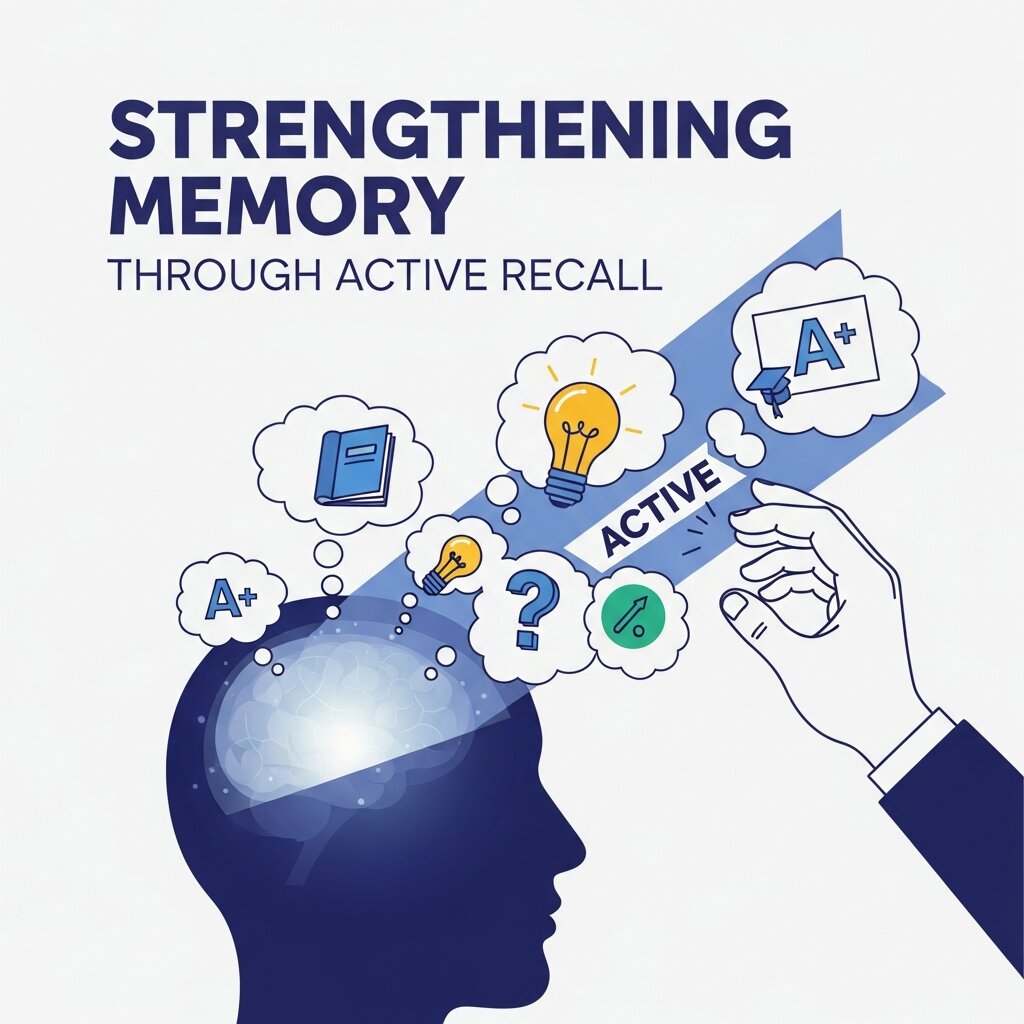 One of the most effective ways to expand general knowledge is by practicing active recall instead of passive reading. Rather than rereading the same material, challenge yourself to explain concepts from memory, write short summaries, or answer self-made questions after each learning session. This method forces the brain to retrieve information, strengthening retention pathways and improving long-term understanding. You can combine this with flashcards, weekly quizzes, or discussion-based learning to make the process more engaging. Over time, these habits help transform scattered facts into General Knowledge Gems that are easier to remember and apply in conversations, exams, or professional settings. Consistent recall practice also sharpens confidence, making it easier to connect ideas quickly across multiple subjects and real-world scenarios.
Exploring Global Perspectives for Smarter Thinking
Expanding your worldview is a powerful way to build deeper general knowledge. Instead of limiting yourself to local news or familiar subjects, make it a habit to explore international events, global cultures, and diverse perspectives. Reading foreign policy analysis, world history, and cross-cultural case studies helps you understand how societies evolve and influence each other. This broad lens strengthens your ability to compare systems, identify trends, and form balanced opinions. Exposure to multiple viewpoints also reduces bias and enhances empathy, which is especially useful in modern workplaces and social discussions. By regularly learning how other regions think, govern, and innovate, you create a richer intellectual framework that supports smarter decision-making and more meaningful communication.
Turning Curiosity into a Daily Knowledge Habit
Curiosity becomes valuable only when it is converted into a repeatable routine. A simple yet effective strategy is to dedicate a fixed time every day to learning something outside your primary field of interest. For example, spend one day exploring astronomy, another on business case studies, and the next on literature or psychology. This rotating subject method keeps learning exciting while preventing mental fatigue. Keep a small journal of surprising facts, useful insights, and follow-up topics you want to explore later. Over weeks and months, this habit compounds into a strong and versatile knowledge base. More importantly, it trains your mind to stay open, adaptable, and eager for discovery, qualities that are essential for lifelong growth in today’s rapidly changing world.
Conclusion
Mastering general knowledge is a journey rather than a destination. By adopting an intentional approach—curating diverse resources, employing effective study techniques, and embedding learning into daily routines—you can cultivate a rich understanding of the world. In today’s fast-paced environment, this year (2026) represents an opportunity to embrace curiosity and continuous improvement. Whether you aim to excel in your career, engage more confidently in conversations, or simply satisfy your intellectual appetite, a solid general knowledge foundation will support every endeavor. Begin today, stay consistent, and watch as your expanded awareness enhances both personal fulfillment and professional success.